
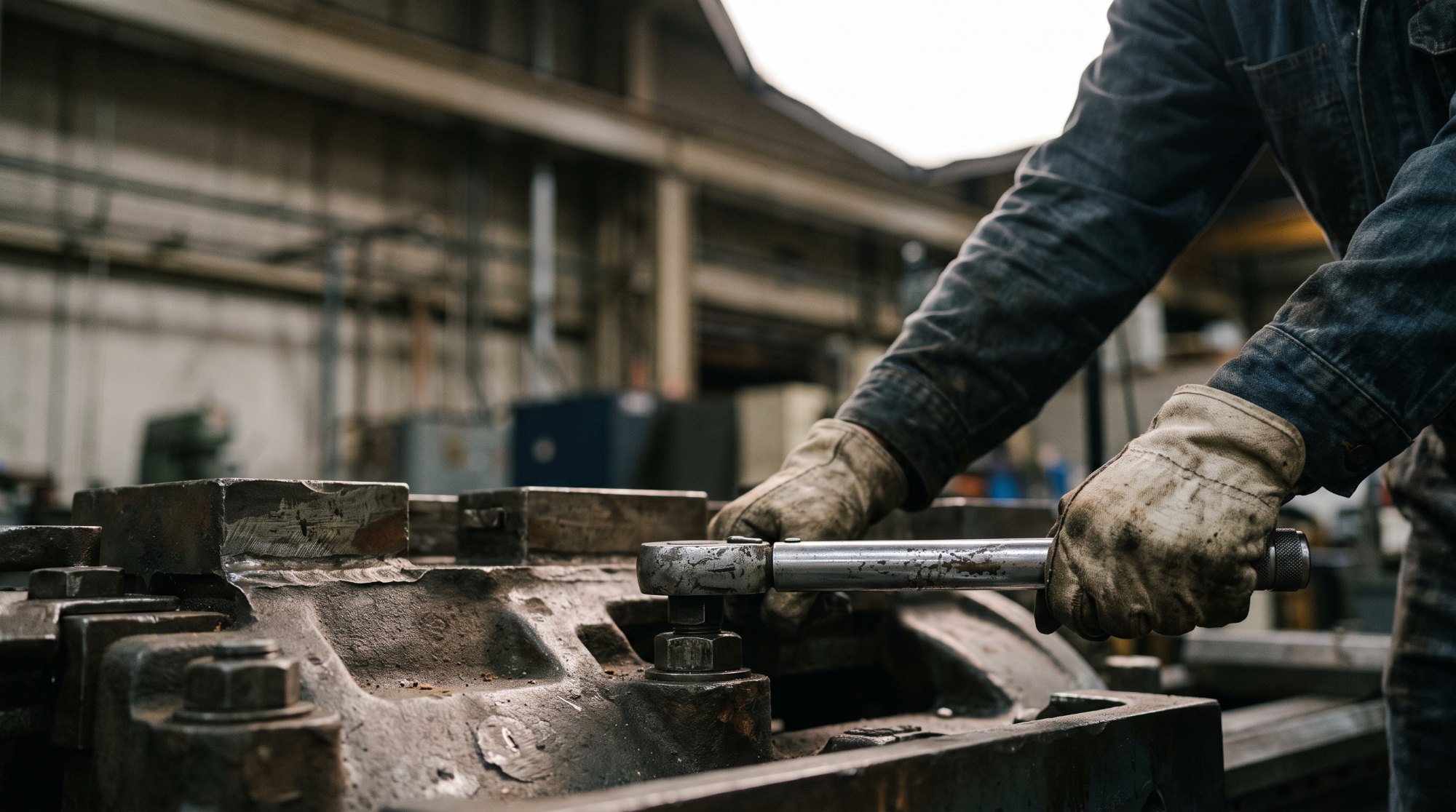
Ring gauges are among the most heavily used tools in shaft and OD inspection—yet many plants treat them as “calibrate yearly and hope.” In practice, wear limits depend on cycle count, part material, operator handling, and how close you run to tolerance band edges.
This guide helps quality and production leaders decide when to recalibrate, recondition, or replace ring gauges—before borderline readings create customer disputes or internal rework loops.
Wear rarely appears as a sudden failure. More often, GO members feel “easier” over months, or NO-GO members reject good parts intermittently. Both patterns suggest the functional diameter or form is changing.
Recalibration is appropriate when:
Pair recalibration with a condition photo and usage notes so your lab understands field context—see our guide on reading NABL-traceable reports.
Replacement is often cheaper than a line stoppage or customer rejection. Strong indicators include:
DSN Enterprises plain ring gauges can be supplied to drawing with material choices suited to your volume.
Track gauge ID, location, approximate cycles per month, last certificate result, and next due date. Flag gauges that drift more than 25% of allowable band between calibrations—those are candidates for material upgrades or tighter handling controls.
High-volume lines may need carbide or optimised tool steel grades. Compare options in our article on tool steel vs carbide gauges.
Do not wait for a failed audit to fix a worn ring gauge programme. Contact DSN Enterprises for gauge supply, drawing review, and calibration support tailored to your inspection volume.
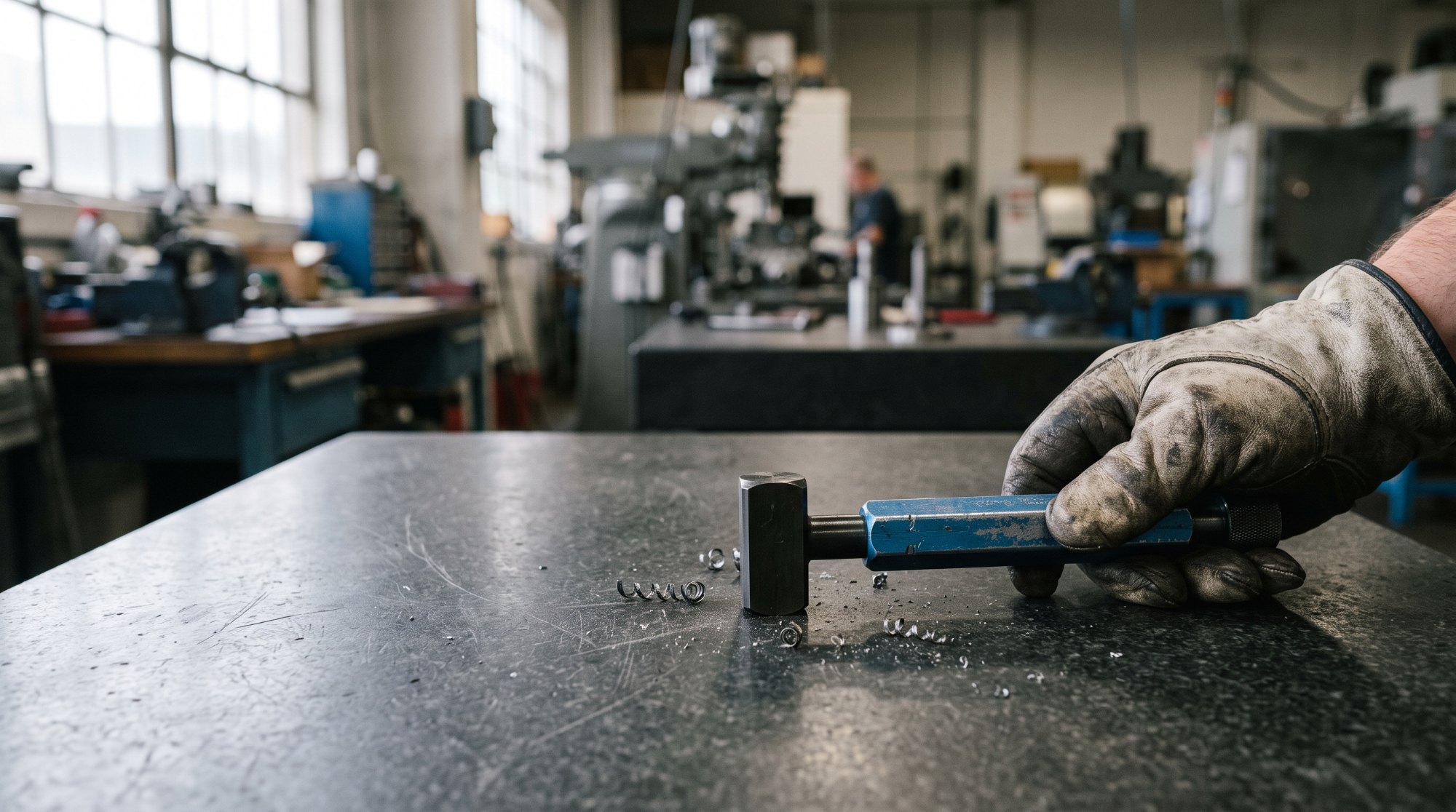
Most gauge failures we see are not manufacturing defects — they are handling and maintenance issues. A practical maintenance routine for plain plug and ring gauges that actually works on a real shop floor.
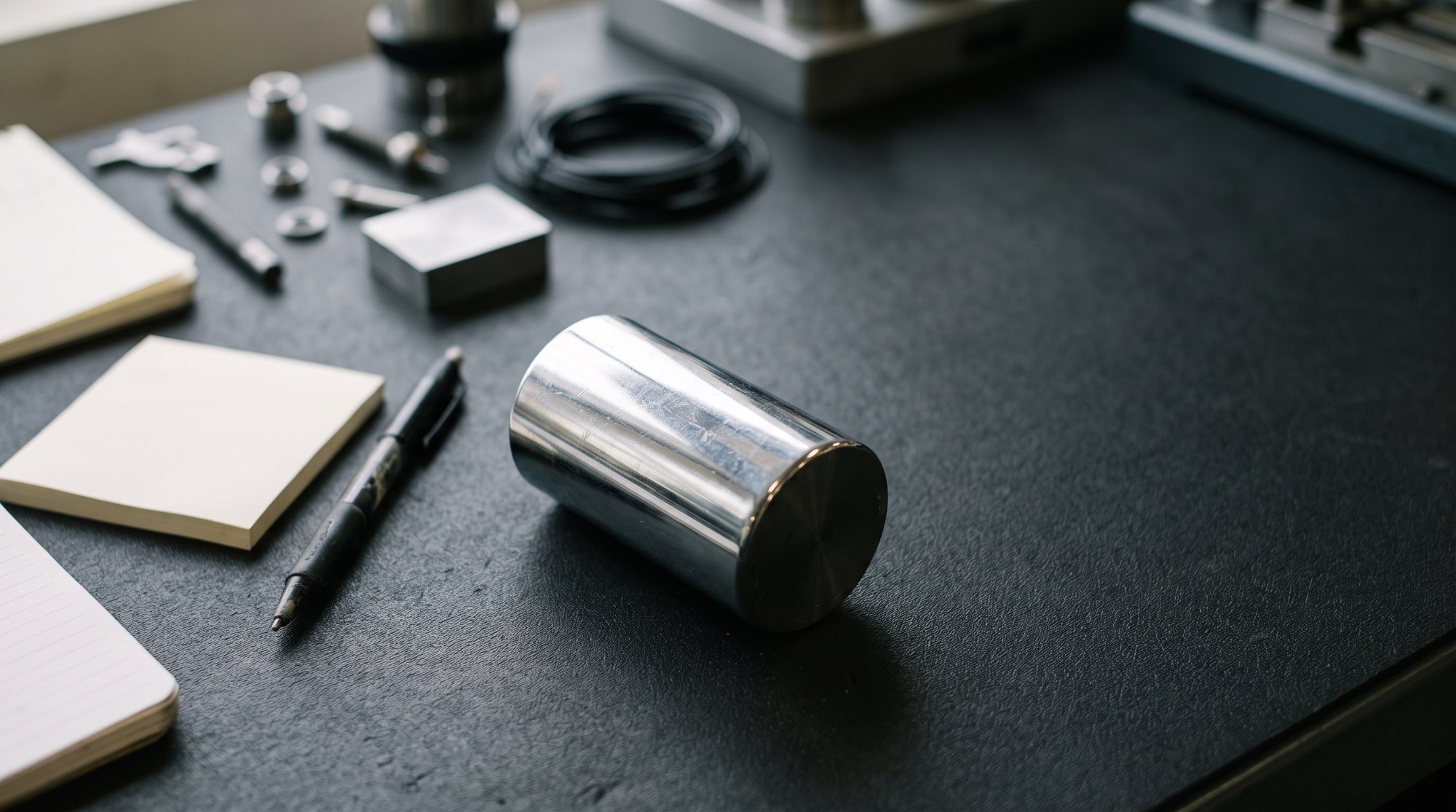
Cylindrical setting masters anchor ring gauge and comparator setups. Learn how they reduce setup drift and improve multi-shift repeatability.

Rust and impact damage destroy more gauges than wear does. A practical storage routine — cases, climate, oiling, and ownership — that keeps precision gauges accurate for years, not months.