
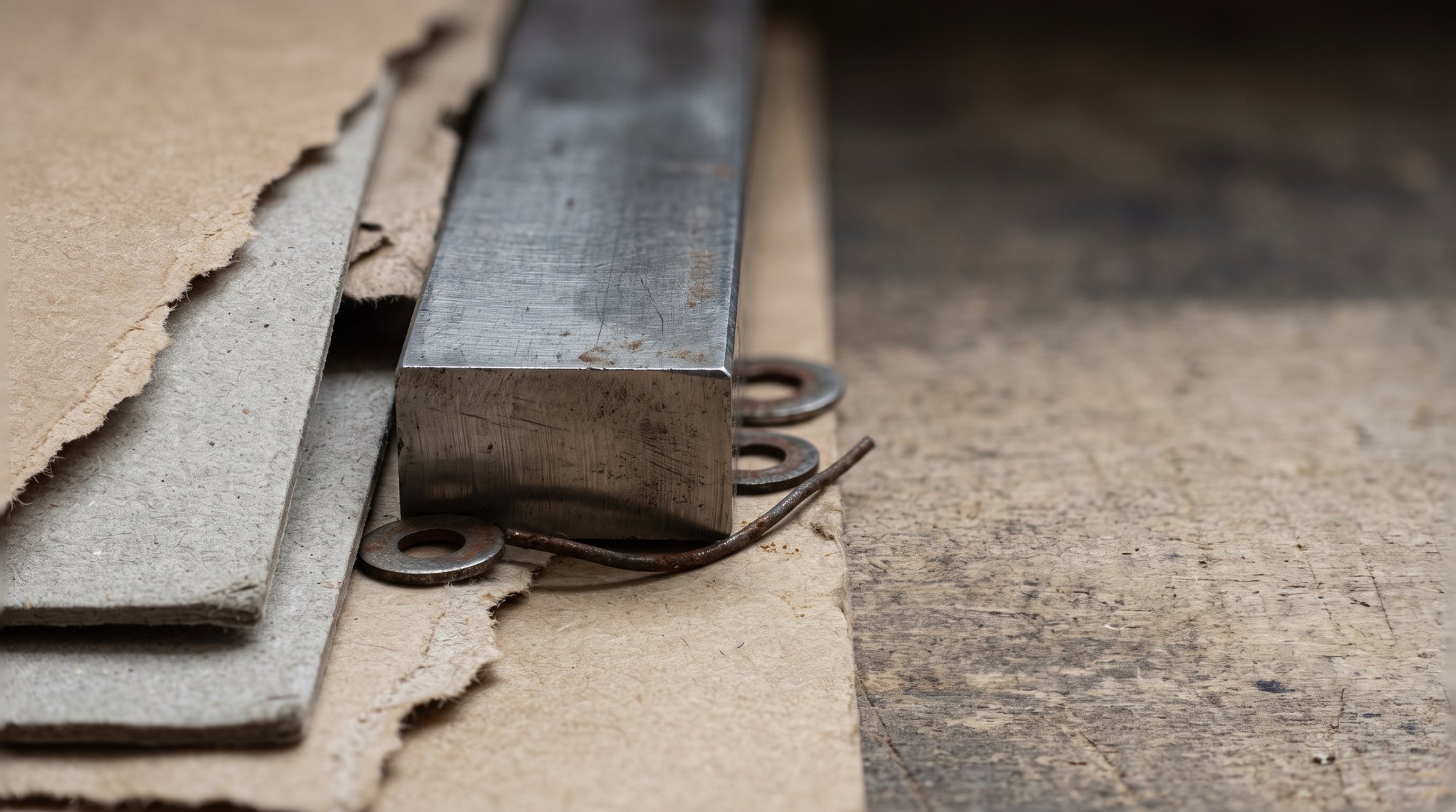
API 5B and API 7-2 gauges are workhorses in casing, tubing, and rotary shouldered connection inspection. They also take the hardest hits—drops, contamination, rushed handling, and high cycle counts in the field. What you document before recalibration often determines whether the gauge returns as a trusted reference or becomes a source of false accepts.
DSN Enterprises API gauges are built for demanding oil and gas workflows. This article gives inspection teams a practical checklist to use when gauges leave the rig or line and head to the lab.
Unlike gauge-room tools that live in foam-lined cases, API working gauges move through vehicles, pipe racks, and wash bays. Wear on threads, chipped edges, and bent handles show up as measurement bias long before a certificate says “out of tolerance.”
Before dispatch, assign one owner to complete a condition record per gauge ID. Photograph damage. Note the last well, rig, or line where the tool was used if your quality system tracks that data.
High-cycle gauges—especially those used on critical connections—may need closer scrutiny or shorter calibration intervals even if they still pass a quick check. Log approximate cycle counts when your field teams can provide them.
Not every worn gauge should return to service after adjustment. If wear is on functional flanks or lead regions that affect fit, replacement from a qualified supplier may be cheaper than repeated rework and line stoppages.
DSN Enterprises can advise on gauge supply and support when field teams need consistent API reference tooling across locations.
Share your condition notes with the lab. Good laboratories adjust their inspection depth when you report impact damage or abnormal drift. When results return, compare them with your field notes—patterns across a fleet of gauges often reveal handling issues worth fixing in procedures.
Need API gauges or calibration planning support? Reach out to DSN Enterprises—we help oil and gas inspection teams keep reference tooling dependable from well site to final audit.

API threads carry load and seal under extreme field conditions. A practical look at API 5B and 7-2 gauging, what inspection teams actually deal with, and how to keep reference tooling dependable from well site to audit.
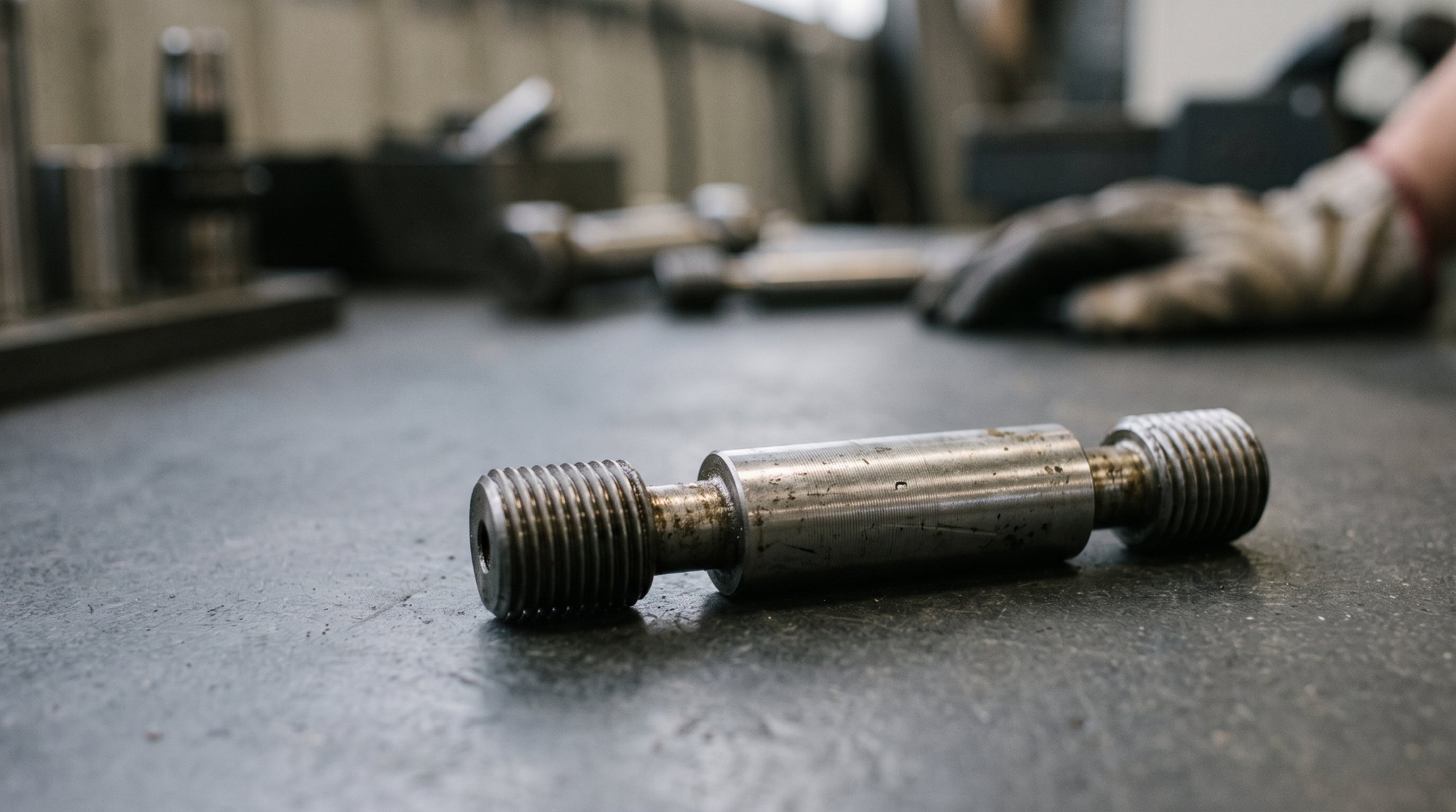
Stop bad gauges at the gate. A practical incoming inspection checklist for identification, damage, certificates, and fit-for-use sign-off.
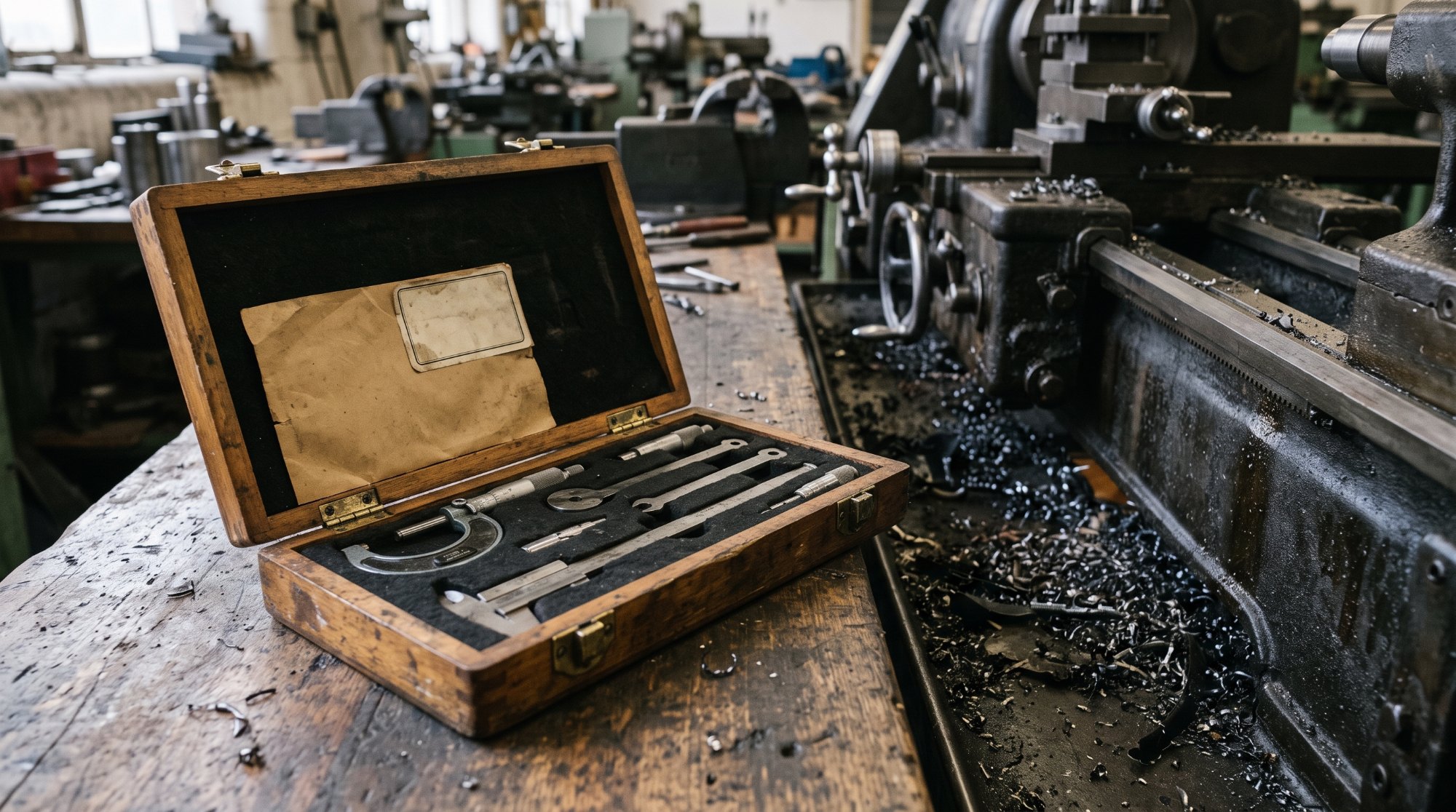
Sending a plug gauge for calibration should not feel like posting it into a black box. What the lab actually checks, which member wears first, how often to recall, and what the certificate should tell you.